
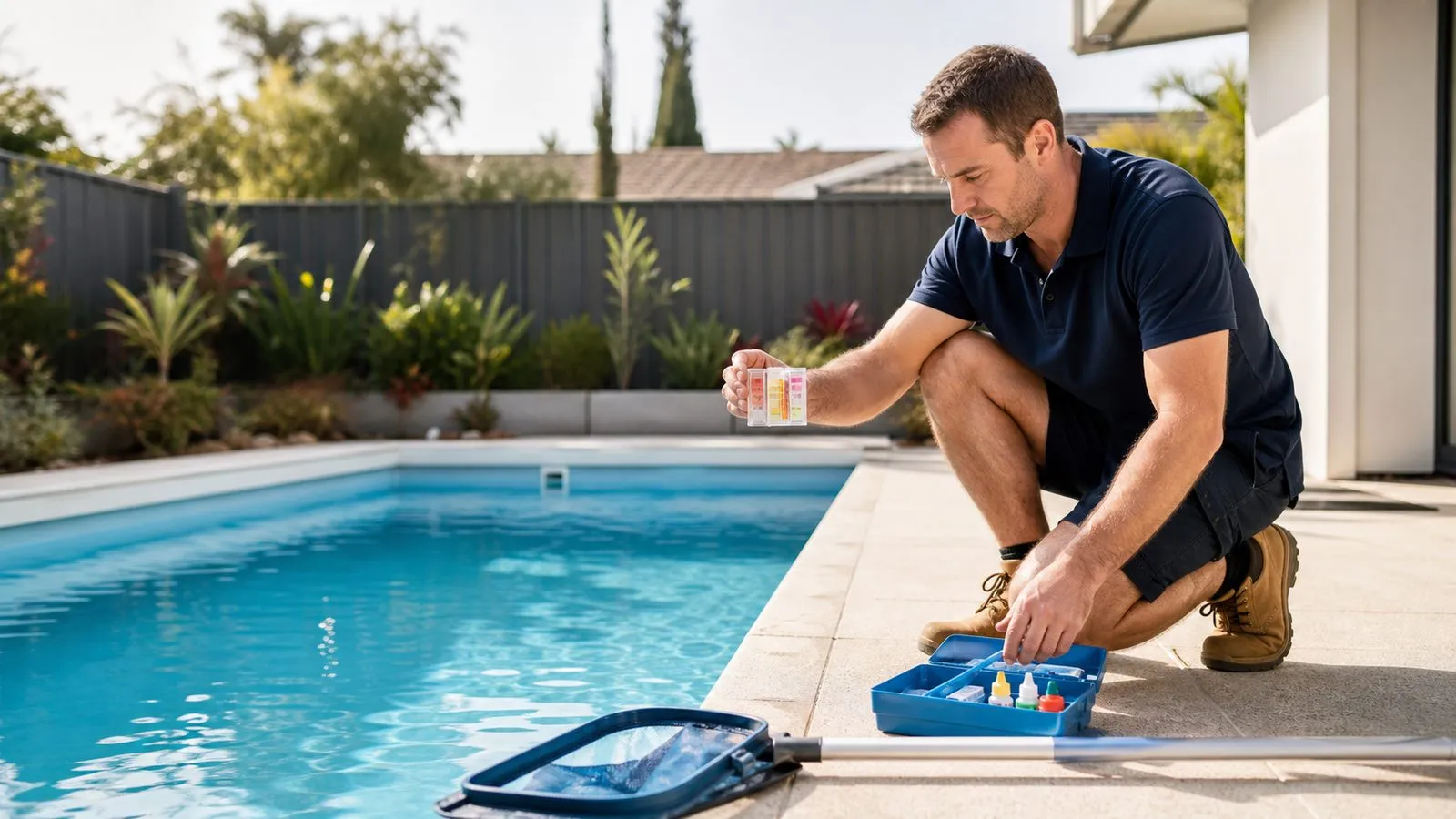
Who will notice a problem while you are away?
A holiday pool plan starts with a person, not an extra dose of chemicals. Decide who can visit, what they can safely observe and how they will contact you. An automatic timer can start equipment, but it cannot tell a neighbour that a basket has filled with leaves. Even a connected controller cannot replace a physical check of water level, access and visible leaks.
Choose a helper who is comfortable with the limited tasks you are assigning. Someone willing to look at the pool should not unexpectedly become responsible for opening a pressurised filter or interpreting chemical readings. Write the limits clearly. If no suitable person can attend, discuss a service arrangement before departure and explain the length of your absence.
For a Pakenham household heading away during school holidays, the preparation should also account for people remaining at home. A pool unused all week has a different demand pattern from one visited by relatives each afternoon. Ask what will actually happen, including whether anyone intends to swim, rather than planning around the assumption that the property will be empty.
Establish the condition before departure
Start early enough to observe the pool after any necessary service or treatment. Leaving immediately after a major adjustment means nobody sees whether it worked. Record current test results and compare them with the requirements for the installed sanitising system and pool surface. Resolve unexplained readings with a suitable technician instead of increasing treatment simply because you will be absent.
Check the normal water level, visible circulation and equipment displays during an ordinary operating period. Photograph the pool and the equipment from useful repeatable positions. A helper can later take the same pictures, making a falling water level or changed warning much easier to recognise. Include the date and whether the pump was running when each picture was taken.
Clear accessible debris using the methods you already know. Have any due filter work completed according to the equipment manual. Do not make a first attempt at a difficult maintenance procedure on departure morning. If the pump has been losing prime, a controller has been resetting or a leak remains unexplained, treat that as an unresolved operating problem rather than a holiday checklist item to tick off.
Keep the routine stable and measured
The objective is to maintain the pool's established operating needs while you are away. Do not turn off circulation and sanitation just because nobody plans to swim. Equally, do not assume continuous running or maximum chlorinator output is the answer. The appropriate schedule depends on equipment, water condition, cover use and the planned checks during the absence.
Ask for any holiday adjustments to be written down, including why they were made and when to review them. A timer setting and a sanitiser setting do different jobs. Changing both without a record makes a later water problem harder to diagnose. Keep the previous settings in your handover notes so they can be compared when the pool returns to ordinary use.
Avoid trying a new treatment product just before leaving. A familiar, tested routine is easier for a helper to monitor than an unfamiliar combination of products. Do not leave instructions to add a fixed quantity regardless of test results. If treatment is needed during the trip, it should be handled by someone competent to test, interpret the results and follow the product instructions.
What changes when the cover stays on?
A cover may reduce evaporation and keep some debris out, but it also changes the pool's exposure and operating conditions. Use only the cover's normal fitting and removal method. Check that it can be managed safely by the nominated helper. An awkward roller or a cover trapped under heavy objects is not a suitable holiday arrangement.
Tell the technician how long the cover will remain on and whether anyone will remove it to swim. Treatment settings that suit an uncovered pool may need review when it stays covered. Follow the cover supplier's water care limits, especially after treatment, and keep a record of any adjustment. Do not assume the same percentage reduction suits every pool or every type of cover.
Leave a clear access rule. A floating cover is not a substitute for a secure pool barrier or supervision. Keep the roller and stored accessories from obstructing gates and walking routes. If the helper cannot safely remove and replace the cover, limit their tasks to observations they can perform and arrange the remaining work with someone who can manage the equipment.
Give your helper an observation sheet
A useful visit sheet is short enough to follow beside the pool. Ask the helper to record the date, water appearance, water level against a reference photo and any visible warning message. They can also note whether the equipment was expected to be running at that time. A quiet pump outside its schedule is different from a pump that should be running but is silent.
Use specific reporting language. Ask for a photo of the screen rather than a message saying the machine looks wrong. Ask where water is appearing rather than whether there is a leak somewhere. If a change is visible, have the helper describe it before altering anything. A useful observation can save time even when the person does not know its technical meaning.
Agree which tasks they can perform, such as skimming from safe ground or removing obvious floating debris with a net. Exclude unfamiliar electrical, pressure and chemical work. Give them your contact details and the nominated service contact. Explain that they should not keep restarting faulty equipment to see whether it improves, especially if a fault immediately returns.
| Observation | Record | Response |
|---|---|---|
| New warning | Photo and expected operating time | Contact nominated technician |
| Water level changed | Photo from reference position | Report change; do not mask repeated loss |
| Surface debris | Extent and safe access | Use agreed owner task only |
| Electrical or access hazard | Observe from a safe distance | Keep away and seek appropriate help |
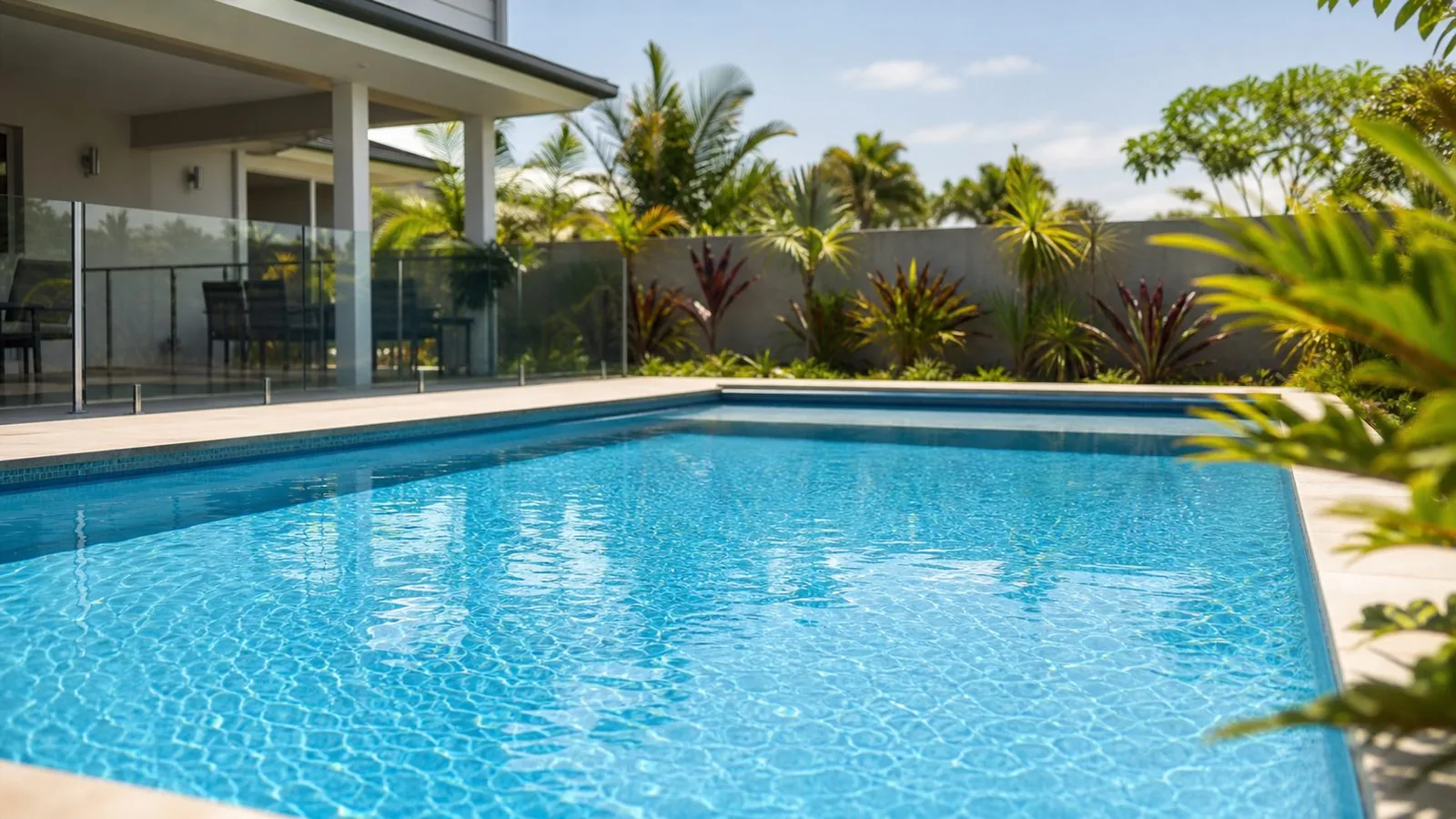
Prepare for heat, wind and rain without guessing
Weather can change the work required while you are away. A windy day may load the surface with leaves. Rain may change the water level and introduce debris. Warm conditions and unexpected swimming can change sanitiser demand. The response should follow what is observed and measured, rather than an automatic instruction to add more of everything.
For a leafy Beaconsfield yard, arrange someone who can recognise a blocked skimmer area without reaching into suction openings. For a more exposed Pakenham East yard, ask for a check after a significant debris event. These are planning examples based on yard exposure, not a claim that every home in either area has the same conditions.
Do not leave an unattended hose running as a holiday water level strategy. If an automatic filling system exists, have its normal operation understood and any known faults resolved. An unexplained falling level needs diagnosis before you rely on topping up. If severe weather creates an electrical or access hazard, the helper should keep away and contact the appropriate professional rather than continue a routine visit.
Set contact and spending instructions in advance
Decide what your helper should do when you cannot answer. Provide an alternative responsible contact and define which observations require prompt escalation. A visibly damaged cable, flooded electrical equipment or unsafe access is a different situation from leaves resting on the surface. Write the distinction in everyday language and keep the helper's role limited to what they can safely assess.
If you arrange a pool service, explain how approval for additional work will be obtained. Keep ordinary booked tasks separate from repair authorisation. Ask for evidence of an unexpected fault and a proposed next step. The helper should not have to decide whether an expensive component needs replacing based on a hurried phone conversation they do not understand.
Share access instructions privately with the people who need them. Do not put gate codes into a public note or leave a key where it compromises security. Confirm pets are accounted for and that the gate can be secured after every visit. A holiday plan that protects water quality but creates uncontrolled access has missed a more important responsibility.
A workable absence plan
Hypothetical example: an Officer household is away while a neighbour can visit, but the neighbour does not use pool chemicals. The pool has a timer and a cover, and the owners normally skim leaves themselves. The useful plan is to establish a measured starting condition, confirm the ordinary schedule and agree limited observation visits. Chemical work remains with a competent service provider if it becomes necessary.
The neighbour receives reference photographs, the planned visit dates and instructions to report a changed level, cloudy water or warning display. They know how to secure the gate and who to contact when the owners are travelling. They are not asked to open the filter, alter valves or guess a chlorine dose. That makes the task realistic and reduces the temptation to improvise.
On return, the owners compare the final observations with their starting notes, check current water condition and review any settings changed for the covered period. The trip is not treated as proof the pool can now run unattended indefinitely. It shows which parts of the plan worked and what should be improved before the next absence.
Avoid the shortcuts that create extra work
Adding a large speculative dose before leaving is a poor substitute for checking demand and product limits. It may affect the surface, equipment or cover and still fail to solve the underlying problem. The remedy is a current test, an equipment-specific plan and someone able to notice changes while you are away.
Another mistake is leaving vague instructions such as keep an eye on it. That gives a helper responsibility without a decision rule. Replace it with observable conditions and a contact route. Say photograph any new warning or compare the level to this picture. Make clear that a checked box means the observation was made, not that the helper has certified water safety.
A third mistake is changing several components just before a trip. A new cleaner, a new controller schedule and a new cover can each affect the routine. Test changes separately while you are present, or postpone optional changes until after returning. An established setup with documented limits is easier to manage remotely than an unobserved upgrade.
Check the pool before the first swim home
Remove any cover using its normal procedure and inspect the pool before anyone enters. Check visibility, water condition, recent treatment notes and the equipment's ordinary operating state. If the water is cloudy, a warning remains unresolved or the latest test is uncertain, delay swimming and arrange assessment. A pool that looked clear in a photo days ago still needs a current check.
Review the helper's observations even if nothing obviously went wrong. Repeated top-ups, an intermittent warning or unusual debris can reveal a developing issue. Keep the record with the equipment history rather than deleting it with the holiday messages. Tell the service provider about anything that changed during the absence, including cover removal and unexpected use.
Finally, return to the normal routine deliberately. Review temporary timer or chlorinator adjustments against present conditions instead of blindly restoring a remembered setting. Replenish appropriate supplies, clean owner-serviceable items according to their manuals and record the next test. The best return-home result is a pool whose condition you understand and a maintenance record that explains the whole absence.